
Sewer Line Leak Repair in Frederick
Over 40 Years of Locating Leaks Before Repair Begins
Recurring sewage backups, sewer odors, slow drains throughout the home, or wet ground near a buried line can point to an underground sewer problem. Before repair work begins, the issue needs to be located and evaluated so a blockage, crack, separated joint, root intrusion, sagging pipe section, or collapsed sewer pipe isn’t mistaken for a simple drain clog.
At American Leak Detection of Maryland, we use diagnostic cameras and electromagnetic line locators to identify underground plumbing problems. We gather the facts first so we can plan a repair based on the condition and location of the line.
Call American Leak Detection of Maryland at (410) 504-6313 to schedule sewer leak detection in Frederick.
Because much of a sewer system is buried underground, warning signs can help indicate when an inspection is needed. These symptoms don’t confirm a rupture or collapse on their own, but they can point to a leaking, blocked, or damaged main sewer line.
Signs that may warrant an inspection:
- Multiple Backups: Water backing up into a shower or tub when another fixture is used can indicate a problem affecting the main sewer line rather than one fixture drain.
- Gurgling Drains: A gurgling sound from a drain when water is used elsewhere can occur when air moves through a restricted line.
- Persistent Sewer Odors: Sewer odors inside or around the home warrant evaluation to identify the source.
- Wet or Unusually Green Areas: A muddy patch, ground depression, or unusually green strip of landscaping can warrant a sewer line inspection.
Common Causes of Underground Sewer Line Damage
Sewer lines can develop problems from root intrusion, ground movement, pipe deterioration, separated joints, blockages, or collapsed sections. The cause and extent of underground pipe damage require inspection because the same symptom can come from different conditions.
Ground movement may place stress on buried piping, while roots can enter an existing opening or joint. A backup or odor alone can’t confirm whether the problem is beneath the foundation, in the yard, or near the connection to the public sewer system.
We Locate Sewer Line Failures Before Excavation
We use HD sewer cameras and locators to identify where a sewer-line problem is occurring before excavation is planned. An inspection may evaluate relevant sections and connection areas of the private sewer line.
Inspection areas may include:
- We inspect transition points where interior plumbing exits the foundation and connects to the exterior sewer line.
- We evaluate buried pipe sections when the location of the problem needs to be identified.
- We check pipe joints and other connection areas for signs of separation or damage.
Diagnostic Information Guides the Repair Plan
Our technician starts with a visual inspection and uses HD sewer cameras and locators to pinpoint a sewer-line failure before excavation. That diagnostic information helps define where pipe access may be needed and what repair scope should be discussed.
For sewer leak repair in Frederick, the appropriate scope depends on the failure type, pipe condition, depth, location, and access conditions.
Repair planning steps include:
- Locate the Failure: Camera and locator findings identify where the underground problem is occurring.
- Plan Access: When excavation is necessary to reach damaged pipe, the diagnostic findings help target the access area.
- Review the Scope: We explain the repair scope and costs after locating the problem and before digging begins.
Why Prompt Sewer Line Evaluation Matters
A slow drain, recurring backup, or sewer odor may worsen when the underlying issue remains unresolved. Continued wastewater leakage can saturate nearby soil and contribute to odors, erosion, or damage around the affected area.
Potential effects of delaying evaluation:
- Recurring Backups: Wastewater backups can affect interior areas and increase cleanup needs.
- Changing Ground Conditions: Leakage can affect soil around the damaged area over time.
- Sanitation Concerns: Wastewater backups can create sanitation concerns inside the home. The severity depends on the source, volume, duration, location, and extent of the sewer-line problem.
Frequently Asked Questions
How Can I Tell Whether the Problem Is a Clog or Sewer Line Damage?
Slow drains can come from a fixture-level clog or a problem farther along the line. A sewer camera inspection provides visual information about the condition of the pipe and can help identify issues such as root intrusion, separated joints, or a pipe belly: a sagging low spot that holds water and waste and can lead to slow drainage or recurring blockages.
Can Tree Roots Damage a Sewer Line?
Tree roots can enter a sewer line through an existing crack, opening, or loose joint. Once roots enter the pipe, they can restrict wastewater flow and contribute to recurring drainage problems. An inspection is needed to determine whether root intrusion is present and how it has affected the line.
What Affects the Cost of Sewer Line Repair?
Pricing depends on the location of the break, burial depth, access conditions, pipe condition, and materials required for the repair. Once we pinpoint the problem with our cameras and locators, we explain the necessary repair steps and costs before digging begins.
What Should I Do During an Active Sewage Backup?
If sewage is actively backing up into tubs, showers, or floor drains, stop using water in the home. Don’t flush toilets, run the dishwasher, or use the washing machine until the source of the backup is evaluated.
Schedule a Targeted Sewer Line Evaluation
If you need a sewer leak repair company in Frederick, request an evaluation instead of continuing temporary drain treatments. We can locate the problem and explain the recommended repair scope and cost before work starts.
Call American Leak Detection of Maryland at (410) 504-6313 or request a service call for sewer leak detection and repair.


-
“Tim was very friendly, professional and knowledgeable. He had answers to all my questions about the leaks in my house I will highly recommend you company whenever the chance presents itself. Thank you so much.”- Paul B.
-
“It was not easy finding a leak detection service. Almost all of the plumbers that I called did not know of any service that did leak detection for pipes under concrete. I even called my insurance company. More plumbers and insurance companies need to know who you are and what you can do. Being a senior citizen with mobility issues, I don't always see what is happening with certain areas of my home. Mr. Hopkins was very pleasant to work with, he was most helpful in finding and describing to me in terms that I could understand things that should be done to correct my water leakage problem. I am in the process now of having a contractor correct these issues. How nice it is to once again have dry floors. I would like to thank Mr. Hopkins once again for his help and kindness.”- Pat M.
-
“Mr. Hopkins and his assistant David arrived at my home promptly. They came in and immediately went to work with their inspection in determining the cause of my leakage. they were so respectful and friendly in their work and explanation of leakage. I was very pleased with their professionalism and kind personality as they completed the inspection. I feel like I have known them for a very long time. Your customer service truly exceeded my expectations!”- Bessie J.
-
“Excellent work! Timothy Hopkins did a great job locating and repairing the leaks found. Although he was later than scheduled arriving- I understand that in this type of business it would be hard to know what kind of problems one would find on other projects/calls and he was well worth the wait!”- Angela H.

-
Innovating Since 1974
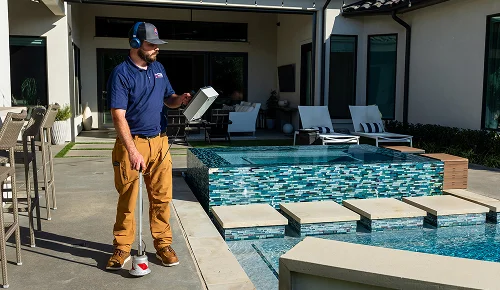 For 50+ years, we’ve developed tools to make leak detection faster and less disruptive.
-
Solutions Tailored for You
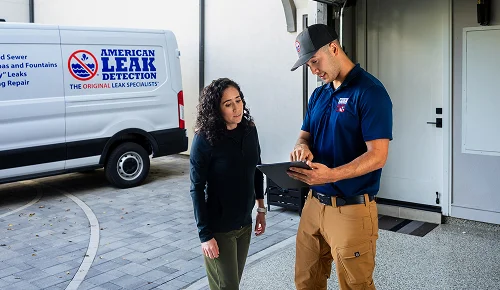 Learn all your options with pros, cons, and costs before making any decisions.
-
Preferred by Top Insurers
 Pre-approved with top insurers means faster claims and smoother coverage.
-
Trusted Specialists
 Trained specialists who detect leaks in every system, from pools to commercial pipes.


