Why Hidden Moisture Needs Prompt Investigation
Water leaks rarely stay contained. When a leak isn’t visible, moisture may migrate through insulation, collect beneath flooring, or saturate drywall. Because water can travel through building materials, the visible stain may be far from the original entry point.
Concealed moisture can affect:
- Walls and Ceilings: Drywall, plaster, paint, and other finishes can stain, soften, or deteriorate.
- Floors and Framing: Moisture can move beneath flooring or remain against structural materials.
- Insulation: Saturated insulation may contribute to heat loss and require further evaluation.
- Utility Use: An active plumbing leak can waste water even when no flowing water is visible.
Traditional investigation may involve cutting holes simply to determine where further work is needed. Our non-invasive approach narrows the affected area and can reduce unnecessary property damage before repair access is considered.
What Infrared Scanning Can Reveal
Our infrared leak detection service identifies temperature differentials across accessible surfaces. Moisture may heat and cool differently from surrounding dry materials, producing a thermal pattern that our technicians can evaluate.
Scanning can support investigations involving hidden water leaks, plumbing failures, roof leaks, heating-system leaks, and moisture around walls, ceilings, floors, or insulation. It may also reveal patterns related to insulation gaps and heat loss. Results depend on building materials, access, temperature conditions, and the type of suspected leak. For leaks beneath concrete foundations, our slab leak detection service uses additional methods to locate the suspected source.
- Non-Invasive Method: The thermal scan itself doesn’t require cutting, drilling, or demolition.
- Focused Investigation: Thermal patterns help narrow where moisture or an abnormal temperature change may be present.
- Professional Interpretation: We distinguish potential moisture patterns from drafts, insulation gaps, and normally hot or cold building materials.
A thermal image is an investigative finding, not automatic proof of the exact source or full extent of damage. We interpret each image in context and determine whether additional verification is appropriate.
What to Expect During an Infrared Inspection
We have refined our workflow to provide an efficient, transparent inspection. Before work begins, we explain the detection scope and provide upfront pricing.
- Site Assessment: We discuss where symptoms appear and when they occur, then inspect accessible areas for visible conditions.
- Thermal Sweep: Using an infrared scanning camera, we scan affected surfaces for temperature patterns that may indicate moisture migration.
- Analysis and Verification: We interpret the images alongside building materials, temperature conditions, visible damage, and available moisture indicators.
- Reporting and Guidance: We explain the findings and identify the likely area that warrants further repair investigation.
Our focus is detection. Once we identify the suspected issue, we can recommend repair solutions and explain where access or further investigation may be appropriate.
Why Property Owners Trust Us: Detection Methods Refined Since 1974
Since 1974, we have researched leaks and developed methods for finding them. We use advanced technology to investigate concealed moisture while limiting unnecessary disruption to homes, businesses, and municipal properties.
- Trained Technicians: We evaluate thermal patterns in the context of the property rather than treating every temperature difference as a leak.
- Respect for Property: Our non-invasive approach reduces unnecessary exploratory openings, and we leave the premises clean.
- Clear Pricing: We provide honest, upfront pricing for detection services before work begins.
- Useful Findings: We explain what the scan indicates so property owners, managers, and repair contractors can evaluate the next step.
Our service standards include arriving on time, completing the project within the stated time frame, and treating the property respectfully throughout the assessment.
Frequently Asked Questions
What Does an Infrared Camera Show When a Leak Is Hidden?
An infrared scanning camera shows surface temperature differences that may indicate concealed moisture. It doesn’t see through building materials or prove the exact leak mechanism by itself, so we interpret the pattern alongside visible conditions and other available indicators.
Will Infrared Scanning Require Cutting Into Walls, Floors, or Ceilings?
The thermal scan itself doesn’t require cutting, drilling, or demolition. If the findings indicate that further access is necessary, we explain where additional investigation or repair work may be appropriate.
Can Your Team Use Infrared Scanning to Investigate a Roof Leak?
Infrared scanning can support some roof-leak investigations. It may reveal temperature patterns associated with trapped moisture or water intrusion when conditions are suitable. Roof materials, weather, scan timing, access, and the location of the moisture can affect what the infrared scanning camera reveals.
How Much Does an Infrared Inspection Cost?
We provide upfront pricing. The cost depends on the scope of the service, including the size and number of areas being assessed. Before work begins, we explain the inspection price so you know what the detection service will cost.
Schedule Infrared Leak Detection in Lynn
If you have unexplained moisture, visible water damage, or unusual temperature patterns, an infrared inspection can help narrow the likely source area before repair access begins. We serve residential and commercial properties in Lynn.
Review findings before deciding where repair access is needed. Contact American Leak Detection of Boston at (617) 993-6428 to schedule infrared leak detection in Lynn, or book your appointment online. We provide upfront pricing before detection work begins.


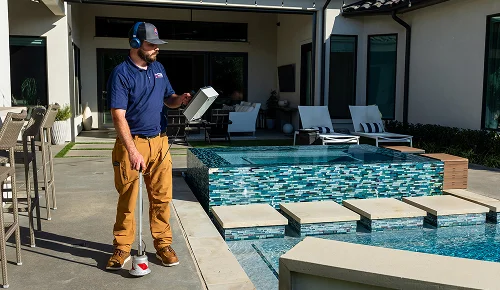 For 50+ years, we’ve developed tools to make leak detection faster and less disruptive.
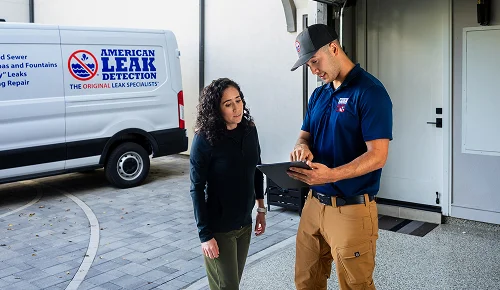 Learn all your options with pros, cons, and costs before making any decisions.
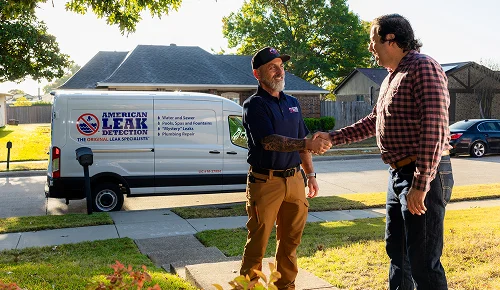 Pre-approved with top insurers means faster claims and smoother coverage.
 Trained specialists who detect leaks in every system, from pools to commercial pipes.


